The quiet hum of your dishwasher is suddenly broken by a sick gurgle. You look over and see murky, dirty water creeping into your clean kitchen sink. That sight can make your heart race, but I want you to take a deep breath. You are not alone in this soggy battle.
The truth is, when your dishwasher is backing up into sink, the problem is rarely the dishwasher itself. It’s a cry for help from your plumbing. The good news? You can likely fix this yourself in minutes. I’m here to walk you through it, step by step, so you can reclaim your kitchen with confidence.
Keynote: Dishwasher Is Backing Up Into Sink?
A dishwasher backing up signals a clog in the shared drain, not a broken appliance. This common issue is usually simple to fix. First, check your garbage disposal for food blockages. Next, clean the air gap on your sink. These quick steps solve most drainage problems in under 15 minutes.
You just need Kitchen Sink Cleaning Brush, Drain Snake Hair Remover and Mini Sink Plunger.

- 6 PACK Dish Brush Set: This dish brush kit replaces six separate tools: dish brush, gap brush, groove brush & scouring pad. Clean dishes, pots, sinks and tubs with one purchase – no more drawer-digging.
- Reach Every Gap & Groove: Slim, firm bristles slide into faucet bases, sink corners, window tracks and tile lines where sponges and ordinary dish scrubbers can't fit. Hidden grime gone in seconds.
- Wide-Coverage Scouring Pad: The big scrubbing surface clears soap scum and stuck-on residue from tubs, tiles and countertops in a few strokes – far more ground per pass than a standard scrub brush.
- No-Scratch & Non-Stick Safe: Tough yet gentle bristles break down baked-on grease in air fryers, pots and non-stick pans without scratching delicate coatings – protects your cookware.
- Beyond the Kitchen: Also cleans curved tubing, grills and tight compartments. Hang-loop design drip-dries fast, keeps brushes tidy and ready for next time.
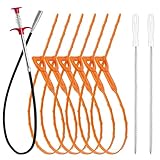
- 【Metal Claw Grabber for Stubborn Clogs】 This extra-long 35.5-inch metal grabber features a flexible yet sturdy shaft and a 4-claw tip that opens and closes by the handle. It bends easily into curved pipes and P-traps to latch onto solid obstructions, toys, and thick hair clogs that plastic snakes simply can’t grip.
- 【6 Extra-Long Drain Snakes】 With a 25-inch length that reaches deeper than standard 20-inch tools, these highly flexible barbed wands glide into tight drains to hook hair, food particles, and grime. The tiny hooked teeth make insertion smooth and removal effective, and they rinse clean in seconds for repeated use.
- 【2 Pipe Brushes for Daily Maintenance】 These durable, bendable brushes reach the pipe inner walls to scrub away stubborn buildup, slime, and odor-causing residue that clogs often start from. Regular use helps maintain a smooth water flow, prevent future blockages, and keep drains fresh without harsh chemicals.
- 【9-Piece All-in-One Professional Tool Set】 Everything you need in one kit: 1 metal claw grabber for tough clogs, 6 drain snakes for hair, and 2 pipe brushes for routine deep cleaning. It’s a cost-effective alternative to expensive plumber visits, covering removal, extraction, and prevention with a single set.
- 【Simple Operation and Wide Application】 Just insert, twist or push, and pull out the clog—no complicated steps. Suitable for kitchen sinks, bathroom basins, showers, bathtubs, toilets, and sewer drains. The tools are reusable and designed to be safe for your pipes while delivering strong cleaning performance.

- Eliminates clogs in: sinks, with or without garbage disposals, shower drains, tubs, bathroom and utility sinks
- Unique shape seals better, requiring less effort
- T-Handle design allows for an optimum grip for easy and effective plunging
- Plunger head constructed of non-marking rubber
- Compact design allows for easy storage under the sink/vanity or in the closet
Your Dishwasher’s Flooding the Sink? Let’s Fix This Together
That pool of smelly water is a clear signal. Something is blocking the drain path your sink and dishwasher share. In fact, research shows that 80% of these backups come from just a few simple issues. Most of these fixes are incredibly quick and won’t cost you a dime in plumber fees.
You’re smart to tackle this now. Ignoring the gurgle can lead to bigger headaches. Think pressure damage to pipes or even a full-blown kitchen flood. But with a few targeted actions, you can stop the problem at its source and save yourself a lot of money and stress. Let’s get this sorted out.
The Most Common Culprits Behind the Backup
Before you grab any tools, let’s pinpoint the likely suspect. Your dishwasher’s wastewater has to travel through a series of pipes and devices. A clog at any point in this chain sends the dirty water back up into your sink. Here are the most common roadblocks, from the simple to the slightly more involved.
| Cause | Urgency Level | Notes |
| Garbage disposal jam | High | Food debris or an unremoved knockout plug often blocks flow. |
| Clogged sink drain | Medium | Grease, food scraps, and soap scum cause blockages in the P-trap or line. |
| Dirty air gap | Medium | This small countertop device can easily fill with grit and clog. |
| Kinked drain hose | Low | A simple sharp bend in the hose can stop water flow completely. |
| Faulty check valve | Medium | This small valve inside the dishwasher can get stuck, failing to stop backflow. |
These issues account for the vast majority of backups. By focusing on them first, you can avoid a needless service call and solve the problem fast.
Should You Fix It Yourself or Call a Pro?
You have more power here than you think. Most of these issues are perfect for a DIY fix. You just need to know where your limits are and when to hand the job over to a professional. Trust your gut; if a task feels too complicated or overwhelming, it probably is.
“If water keeps pooling after plunging, it’s time to call a plumber.”
DIY-friendly fixes include:
- Cleaning the small air gap on your countertop.
- Resetting your garbage disposal and checking for jams.
- Straightening a kinked drain hose.
- Clearing a minor clog with a plunger.
Time to call a pro when:
- The backup affects multiple drains, like a sink and a shower. This signals a main sewer line issue.
- You’ve tried all the simple fixes, and the sink is clogged still. The blockage is likely deep in the plumbing.
- You notice water leaking from the body of the dishwasher or garbage disposal itself.
Step-by-Step Guide to Unclog Your Dishwasher Drain
Ready to get your hands a little dirty? We’ll start with the easiest and most common fixes first. Follow these steps in order to quickly find and eliminate the clog.
1. Unplug the Dishwasher and Disposal
Safety always comes first. Before you do anything else, find the circuit breaker for your kitchen and switch off the power to both appliances. This is a non-negotiable step to prevent any risk of electric shock.
2. Check the Garbage Disposal First
This is the number one cause. First, turn on the cold water and run the disposal. If it just hums loudly, it’s jammed. After turning the power off at the breaker, shine a light inside. Use tongs—never your hands—to pull out any obvious obstructions.
If you have a dishwasher backing up into sink with new garbage disposal, the culprit is almost certainly the knockout plug. New disposals come with a small plastic plug blocking the dishwasher hose connection. The installer must remove it. If they forgot, you have a complete blockage. You’ll need to disconnect the hose and use a screwdriver and hammer to pop that plug out.
3. Clean the Air Gap
Look for a small chrome cylinder on your sink deck. This is the air gap, designed to prevent backflow. Simply pull the metal cover off, then unscrew the plastic cap. Use a small brush or paper towel to clear out any gunk or food debris you find inside. The clog is often in the larger hose leading from the air gap to the disposal, so be sure to check that, too.
4. Plunge the Sink Drain
If the disposal and air gap are clear, let’s try the sink drain. If you have a double sink, block one drain with a wet rag. Fill the other side with a few inches of water, create a tight seal with a plunger, and plunge vigorously 10 to 15 times. This can often dislodge grease or food causing the clog.
5. Use Baking Soda and Vinegar
For a final gentle push, pour a half-cup of baking soda down the drain. Follow it with a half-cup of white vinegar. Let the fizzing mixture sit for about 15 minutes, then flush it all down with a kettle of boiling water. A word of caution: Never use harsh chemical drain cleaner. These chemicals can seriously damage the plastic hoses and rubber seals in your dishwasher’s drain line.
When the Backup Won’t Budge: Next Steps
If you’ve tried the steps above and are still seeing dirty water, the blockage is a bit more stubborn. It might be in the drain hose itself or deeper in your plumbing. Here’s what to check next.
Clearing the Dishwasher Drain Hose
Your dishwasher’s corrugated plastic drain hose can sometimes get clogged or kinked. Place a bucket under the sink and disconnect the hose from the garbage disposal. Check the end for any packed-in debris. You can use a flexible brush or a straightened wire coat hanger to gently clear the inside. Be careful not to puncture the hose.
Creating a “High Loop” to Prevent Backflow
While you’re under the sink, check the path of your drain hose. It should travel from the dishwasher up as high as possible—touching the bottom of the countertop—before looping back down to the disposal. This high loop uses gravity to stop sink water from flowing back into your appliance. If your hose is just lying at the bottom of the cabinet, use a zip tie or strap to secure it in a high arch.
Checking the Sink’s P-Trap
The U-shaped pipe under your sink is called the P-trap. Its job is to hold water and block sewer gas, but it’s also a magnet for clogs. Place a bucket underneath it and use pliers to loosen the two large nuts holding it in place. Remove the trap and clean it out thoroughly over the bucket.
Prevent Future Backups with These 5 Habits
Once your drain is clear, you can keep it that way with a few simple habits. A little prevention goes a long way in keeping your kitchen plumbing happy.
- Run hot water for a minute before starting the dishwasher. This helps melt and flush away any grease in the pipes.
- Scrape plates, don’t rinse them. Large chunks of food should go in the trash, but your dishwasher is designed to handle small food particles.
- Clean the dishwasher filter monthly. Twist out the filter at the bottom of your dishwasher and rinse it under the tap.
- Clean the garbage disposal. Regularly grind up a few ice cubes to scrub the blades, followed by some lemon peels to deodorize it.
- Watch for early signs. If your sink starts draining slowly or you hear gurgling sounds, act fast before it becomes a full-blown backup.
Choosing the Right Plumber: What to Look For
If you’ve reached the end of your DIY rope, it’s time to call a professional. But not all plumbers are created equal. Look for someone who listens carefully and explains things clearly.
- Green flags: Look for a plumber with specific experience in dishwasher backups. They should offer clear explanations and free estimates. A true pro will also understand the local plumbing code for air gaps and drain configurations.
- Red flags: Be wary of anyone who pushes for unnecessary, expensive repairs right away. Vague pricing, poor reviews, and a reluctance to explain the problem are all signs to look elsewhere.
When you call, ask them directly: “Have you dealt with a dishwasher backing up into a sink before?” Their answer will tell you everything you need to know about their expertise.
Final Thoughts: You’ve Got This Under Control
Facing a kitchen plumbing problem can be stressful, but you did it. You now know that when a dishwasher is backing up into sink, it’s rarely a disaster. Most of the time, it’s a simple clog that you have the power and the knowledge to fix yourself.
Keep this guide handy. The next time you see that water rising, you’ll feel prepared instead of panicked. You’ve not only learned how to clear a clog, but you’ve also gained the confidence to manage your own home.
Sink Is Draining Into Dishwasher (FAQs)
Why does my dishwasher back up into my sink?
Your dishwasher and sink share the same drain. When that drain path gets blocked by food, grease, or a jam in the garbage disposal, the pumped-out dishwasher water has nowhere to go. It takes the path of least resistance, which is up and into your sink basin.
How do I fix my dishwasher backing up to the sink?
First, check your garbage disposal for any clogs from food debris. Clear the air gap, which is the small cylinder on your sink deck. Ensure the dishwasher’s drain hose is not kinked or pinched under the sink. A high loop in the drain hose also prevents water from flowing backward.
Why is my dishwasher draining into the sink?
Your dishwasher and kitchen sink share the same main drainage pipe. A clog in this shared drain prevents water from escaping properly. The forceful pump from the dishwasher sends water up the path of least resistance. This path is often your sink basin when the main drain is blocked.
How do I clear a clogged dishwasher drain line?
Begin by disconnecting the drain hose from the garbage disposal inlet. Carefully use a long, flexible brush or a wire to remove the blockage. Flush the hose with pressurized water to clear any remaining debris. Reconnect the hose securely to the disposal or sink drain connection.
How to fix a washer backing up into the sink?
A clothes washer backing up indicates a clog in the main drain line. This blockage is often located past where the sink and washer drains meet. Use a plumber’s snake or auger to break up the clog in the standpipe. If the problem persists, a professional may need to clear the main sewer line.
Why should homeowners worry about food waste and proper drainage in the first place?
Homeowners must manage food waste to ensure proper drainage in their plumbing system. Allowing food waste, grime, and residue to enter the disposer creates buildup in the drain pipes. This is often why a water backup happens in the first place.
How does a drain hose loop prevent a dishwasher overflow?
A drain hose loop, fastened at a higher point near the top of the sink, stops backflow. This simple fix prevents negative pressure in the drain hose. It is the most effective method for stopping a dirty water overflow.
What should I look for if water pools at the bottom of the dishwasher?
Use a flashlight to check the bottom of the dishwasher for any visible blockages. Inspect the connection to the sink’s drain for a potential leak. Residue from incomplete heating cycles can also contribute to clogs.
How do I clean my sink’s air gap to resolve drainage problems?
To fix most drainage problems, first remove the decorative top cover. Lift off the protective cap and then the inner protective cap. Clear any debris and flush the system by running water from the faucet.
When is it time to call a professional plumber instead of using a drain snake myself?
If you face a persistent water backup, you should call a professional plumber. Using a drain snake improperly can damage pipes, leading to a major leak. A service like Benjamin Franklin Plumbing, often cited in a blog, provides commercial services for these exact issues.

Katie Lee has over 20 years of experience in the kitchen. She helps homeowners find the right appliances for their needs to sets up a perfect kitchen system. She also shares helpful tips and tricks for optimizing appliance performance.